E-commerceApril 20, 2026
Revolutionizing E-commerce with AI-Driven Personalization: Strategies for 2024
Explore how AI-driven personalization is transforming e-commerce, enhancing customer experiences, and boosting sales in 2024 with innovative strategies.
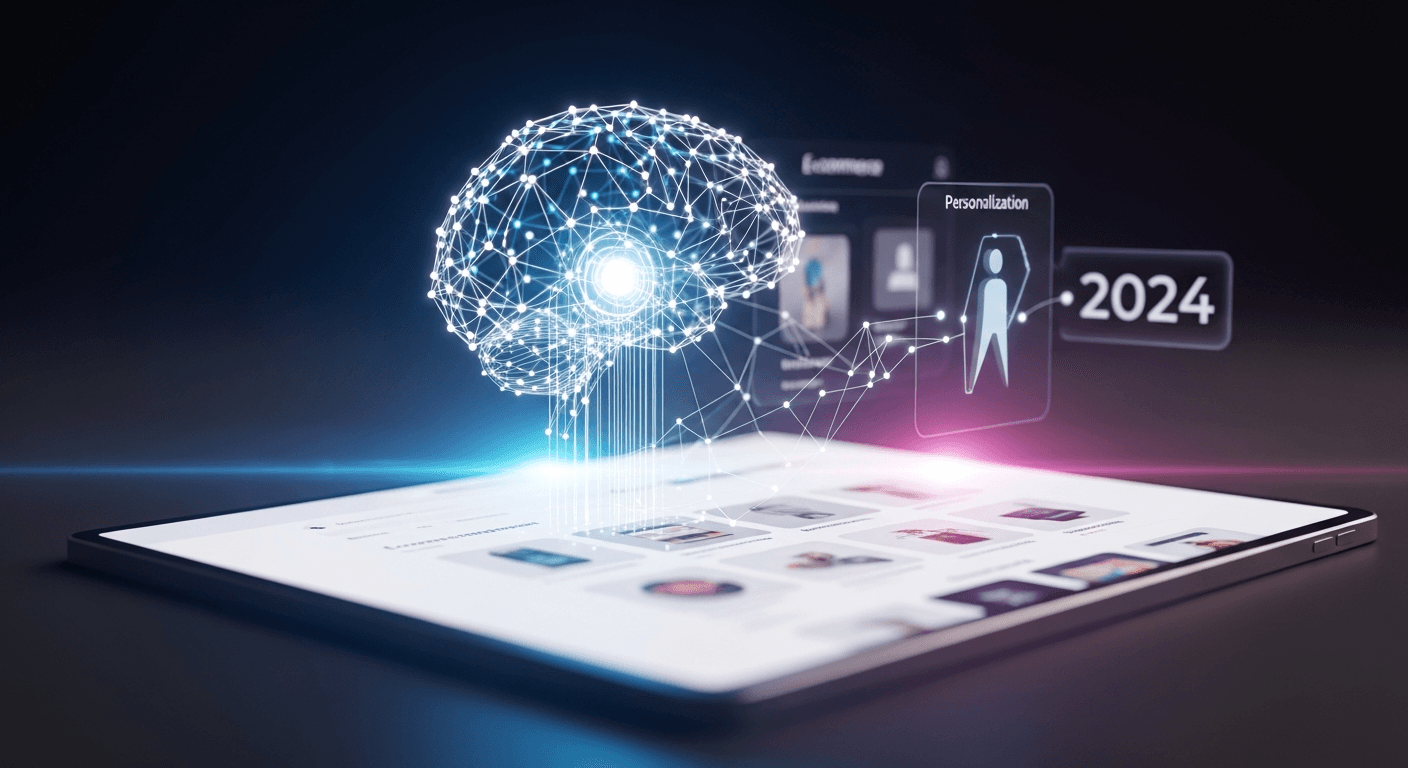
Understanding AI-Driven Personalization in E-commerce
AI-driven personalization in e-commerce refers to the use of artificial intelligence technologies to tailor shopping experiences to individual consumers. By analyzing vast amounts of data, AI can predict consumer preferences and behavior, enabling retailers to offer personalized product recommendations, targeted marketing, and customized user experiences. This technology leverages machine learning algorithms, natural language processing, and data analytics to make real-time decisions that enhance customer satisfaction and increase sales.
The core of AI-driven personalization lies in its ability to process and analyze data at an unprecedented scale. E-commerce platforms can gather data from various touchpoints such as browsing history, purchase history, and even social media interactions. This data is then used to create detailed consumer profiles, which help in predicting future purchasing behaviors and preferences. As a result, businesses can offer more relevant product suggestions and promotions, improving the overall shopping experience.
Moreover, AI-driven personalization is not limited to product recommendations alone. It extends to various aspects of the e-commerce ecosystem, including dynamic pricing, personalized content, and even customer service. For instance, chatbots powered by AI can offer personalized assistance to customers, providing immediate answers to queries and guiding them through the shopping process. This level of personalization is crucial in building customer loyalty and enhancing brand reputation in a competitive market.

The Impact of Personalization on Consumer Behavior
Personalization has a profound impact on consumer behavior by creating a more engaging and relevant shopping experience. When consumers feel that an e-commerce platform understands their needs and preferences, they are more likely to make purchases, return for future shopping, and recommend the platform to others. This increased engagement can lead to higher conversion rates and larger average order values, driving significant revenue growth for retailers.
Studies have shown that personalized shopping experiences can increase customer satisfaction and brand loyalty. When customers receive product recommendations that align with their interests, they are more likely to trust the brand and become repeat buyers. Furthermore, personalization can reduce the likelihood of cart abandonment, as consumers are presented with options that they are more inclined to purchase, thus streamlining the decision-making process.
However, it is essential for businesses to balance personalization with privacy concerns. While consumers appreciate personalized experiences, they also value their privacy and are wary of how their data is used. E-commerce platforms must ensure transparency in their data handling practices and offer consumers control over their personal information to maintain trust and compliance with regulations such as GDPR.

Implementing AI Tools for Customized Shopping Experiences
Implementing AI tools for personalized shopping experiences involves integrating various technologies that can analyze consumer data and deliver tailored interactions. Retailers can start by deploying AI-powered recommendation engines that suggest products based on a user's browsing history and past purchases. These engines can be integrated into e-commerce websites and mobile apps to provide seamless and personalized shopping experiences.
- AI-Powered Recommendation Engines
- Chatbots and Virtual Assistants
- Dynamic Pricing Tools
In addition to recommendation engines, AI chatbots and virtual assistants can enhance customer service by providing instant support and personalized recommendations. These tools can handle common customer queries, guide users through the purchasing process, and even upsell or cross-sell products based on customer preferences. Dynamic pricing tools driven by AI can adjust prices based on market demand, competitor pricing, and individual customer behavior, ensuring competitive yet profitable pricing strategies.
Successful implementation of AI tools requires a strategic approach. Retailers must define clear objectives, select the right AI technologies, and ensure seamless integration with existing systems. Additionally, continuous monitoring and optimization are crucial to refine personalization strategies and ensure they align with changing consumer expectations and market trends.
Tip: Start small with AI implementations and scale as you learn and grow. Focus on one aspect, like recommendation engines, before expanding to other areas.
Case Studies: Successful AI Personalization in E-commerce
Several e-commerce giants have successfully harnessed AI-driven personalization to enhance their customer experiences and drive growth. One notable example is Amazon, which has long been a pioneer in using AI to personalize its customer offerings. Amazon's recommendation engine, which suggests products based on user behavior and preferences, accounts for a significant portion of its sales. This engine is continually refined to offer highly relevant suggestions, contributing to Amazon's dominance in the e-commerce sector.
Another example is Netflix, which, although primarily a streaming service, operates similarly to an e-commerce platform by recommending content to its users. Netflix uses AI algorithms to analyze viewing habits and preferences, offering personalized content recommendations that keep users engaged and subscribed. This personalization strategy has been instrumental in Netflix's success in retaining customers and expanding its user base globally.
- Amazon's Recommendation Engine
- Netflix's Content Personalization
- Sephora's Virtual Artist
Sephora, a leading beauty retailer, has also embraced AI-driven personalization with its Virtual Artist feature. This tool uses augmented reality and AI to allow customers to try on makeup virtually, providing a personalized shopping experience that has increased customer engagement and satisfaction. These case studies demonstrate the potential of AI-driven personalization to transform e-commerce and deliver significant competitive advantages.
Personalization is not just a trend; it's a fundamental shift in how we connect with customers.
Future Trends: The Next Frontier in E-commerce Personalization
As we look towards the future, the next frontier in e-commerce personalization will likely be shaped by advancements in AI technologies such as deep learning and neural networks. These technologies promise to enhance personalization capabilities by offering even more precise predictions and real-time personalization. Voice commerce, powered by AI-driven voice assistants like Alexa and Google Assistant, is expected to grow, offering new opportunities for personalized shopping experiences.
The integration of AI with augmented reality (AR) and virtual reality (VR) will also play a significant role in the future of e-commerce personalization. Retailers will be able to offer immersive and interactive shopping experiences that allow customers to visualize products in their environment, try on clothing virtually, and receive personalized style advice. This combination of AI and immersive technologies will redefine how consumers interact with e-commerce platforms.
Note: Staying ahead in e-commerce requires embracing emerging technologies and continuously innovating to meet evolving consumer expectations.
Furthermore, AI-driven personalization will increasingly rely on ethical AI practices and transparent data usage policies. As consumers become more conscious of their data privacy, businesses will need to ensure ethical AI implementations that prioritize user consent and data protection. By doing so, they can build trust and maintain long-term customer relationships in an increasingly data-driven world.