Content MarketingApril 12, 2026
Leveraging Augmented Reality in Content Marketing: Engaging Audiences Like Never Before
Explore how augmented reality is transforming content marketing by enhancing user engagement and offering immersive experiences, driving brand awareness and customer loyalty.
Introduction to Augmented Reality in Content Marketing
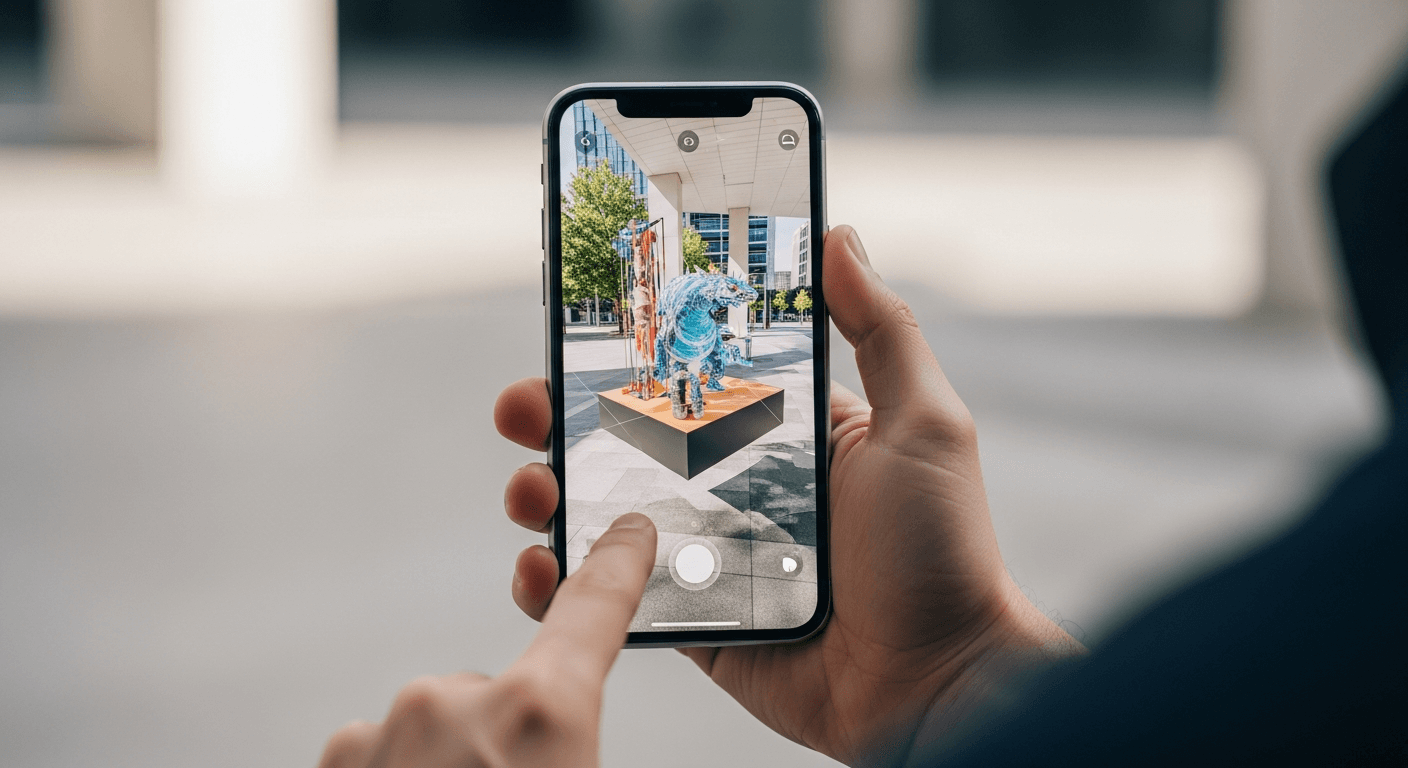
In recent years, augmented reality (AR) has emerged as a transformative tool in the field of content marketing. By superimposing digital elements onto the real world, AR provides a unique and immersive experience that allows brands to engage with their audiences in innovative ways. This technology, which blends virtual and real-world environments, enables marketers to create compelling narratives, showcase products dynamically, and communicate brand messages effectively. As digital engagement becomes an essential component of successful marketing strategies, AR offers a significant opportunity to captivate audiences' attention like never before.
With its ability to make content more interactive, AR fosters a deeper connection between brands and consumers. Industries ranging from retail and fashion to automotive and real estate are increasingly adopting AR to enhance customer experience and drive engagement. By offering users an immersive experience, brands can create lasting impressions that translate into increased brand loyalty and customer satisfaction. As AR technology continues to evolve, its potential in content marketing grows, offering new ways to captivate and engage audiences.
The rise of AR in content marketing is also fueled by the increasing availability of AR-enabled devices such as smartphones and tablets. With the proliferation of these devices, consumers are more prepared than ever to experience AR content. This widespread accessibility means that brands can reach a broader audience with their AR initiatives, making it a powerful tool for expanding market reach and enhancing brand visibility.

Benefits of Incorporating AR for Audience Engagement
Augmented reality offers numerous benefits that can significantly enhance audience engagement. One of the primary advantages is that it creates memorable experiences. AR is still a relatively new technology in the marketing space, and campaigns that utilize it tend to stand out in consumers' minds. This memorability can lead to increased brand recognition and customer loyalty, as consumers are more likely to remember and return to brands that offer innovative and engaging experiences.
Another key benefit of AR is its ability to offer personalized experiences. By allowing users to interact with digital content tailored to their preferences, AR can meet the individual needs of consumers more effectively. For example, in the fashion industry, virtual try-on technologies enable customers to see how clothing or accessories will look on them before making a purchase. Similarly, in the home decor sector, AR apps can show users how furniture will fit in their living spaces, helping them make informed decisions.
- Enhanced user engagement through immersive experiences
- Increased brand recognition and customer loyalty
- Personalized interactions that cater to individual preferences
- Improved customer decision-making with virtual visualization
- Expansion of market reach through AR-enabled devices
Implementing AR requires understanding your audience's technological capabilities and preferences to ensure a seamless user experience.

Case Studies: Brands Excelling with AR Strategies
Several brands have successfully harnessed the power of AR to enhance their marketing efforts. IKEA, for instance, developed an AR app called IKEA Place, which allows customers to visualize how furniture items would look and fit in their homes. This innovative approach not only aids in customer decision-making but also reduces the likelihood of returns due to mismatched expectations. By providing an accurate representation of products in real-world settings, IKEA has enhanced the shopping experience and built stronger customer trust.
Another noteworthy example is Sephora's Virtual Artist app, which enables users to try on makeup virtually. This AR application allows consumers to experiment with different looks without needing physical samples, thus enhancing the shopping experience and boosting consumer confidence in purchasing decisions. The app's success demonstrates how AR can bridge the gap between online and in-store shopping, providing a seamless and interactive user experience that encourages product exploration and trial.
- IKEA's AR app for home visualization enhances customer decision-making
- Sephora's Virtual Artist app for makeup trials boosts consumer confidence
- L'Oreal's AR app for virtual hair color try-ons increases product exploration
L'Oreal has also made significant strides in the AR space with its ModiFace app, which allows users to try on different hair colors virtually. By providing a realistic preview of hair color changes, L'Oreal helps consumers feel more confident in their choices before committing to a purchase. This application of AR not only enhances the customer experience but also drives sales by reducing the uncertainty associated with color changes.
Challenges and Considerations in Implementing AR
Despite its advantages, integrating AR into marketing strategies comes with its own set of challenges. One major consideration is the cost associated with developing AR applications. High-quality AR experiences require significant investment in technology and skilled professionals, which can be a barrier for smaller businesses. Brands must weigh the potential return on investment against the upfront costs to determine if AR is a viable option for their marketing strategy.
Ensuring a seamless user experience is also crucial when implementing AR. Poorly executed AR can lead to user frustration and disengagement. It's essential to conduct thorough testing and optimization to ensure that the technology enhances rather than detracts from the user's experience. Factors such as app compatibility, ease of use, and intuitive design play a vital role in the success of AR initiatives.
Staying updated with technological advancements is key to maintaining effective AR strategies and maximizing their potential impact.
Additionally, privacy concerns and data security are important considerations when implementing AR. Brands must ensure that they comply with data protection regulations and safeguard user information. Transparency about data usage and obtaining user consent are essential steps in building trust and maintaining a positive brand reputation.
Future Trends: The Evolution of AR in Marketing
Looking ahead, the role of augmented reality in marketing is poised to grow even further. As technology becomes more accessible and affordable, we can expect an increase in the number of businesses leveraging AR to enhance their content marketing strategies. The integration of AR with artificial intelligence and machine learning will likely lead to more sophisticated and personalized user experiences. These advancements will enable brands to analyze user behavior and preferences in real-time, allowing for highly targeted marketing efforts.
Moreover, as consumer expectations evolve, brands will need to innovate continuously to capture attention in a crowded digital space. Augmented reality offers a pathway to creating unique and memorable experiences that stand out. As the AR landscape evolves, marketers will have new tools to connect with audiences on a deeper level. The potential for AR to transform marketing is vast, and those who embrace it early are likely to gain a competitive advantage.
The future of marketing lies in creating experiences, not just delivering messages.