SEOApril 8, 2026
Maximizing SEO Impact with Advanced User Experience Strategies in 2024
Explore cutting-edge user experience strategies that are set to transform SEO in 2024. Discover how improving UX can elevate your site's search engine performance and user engagement.
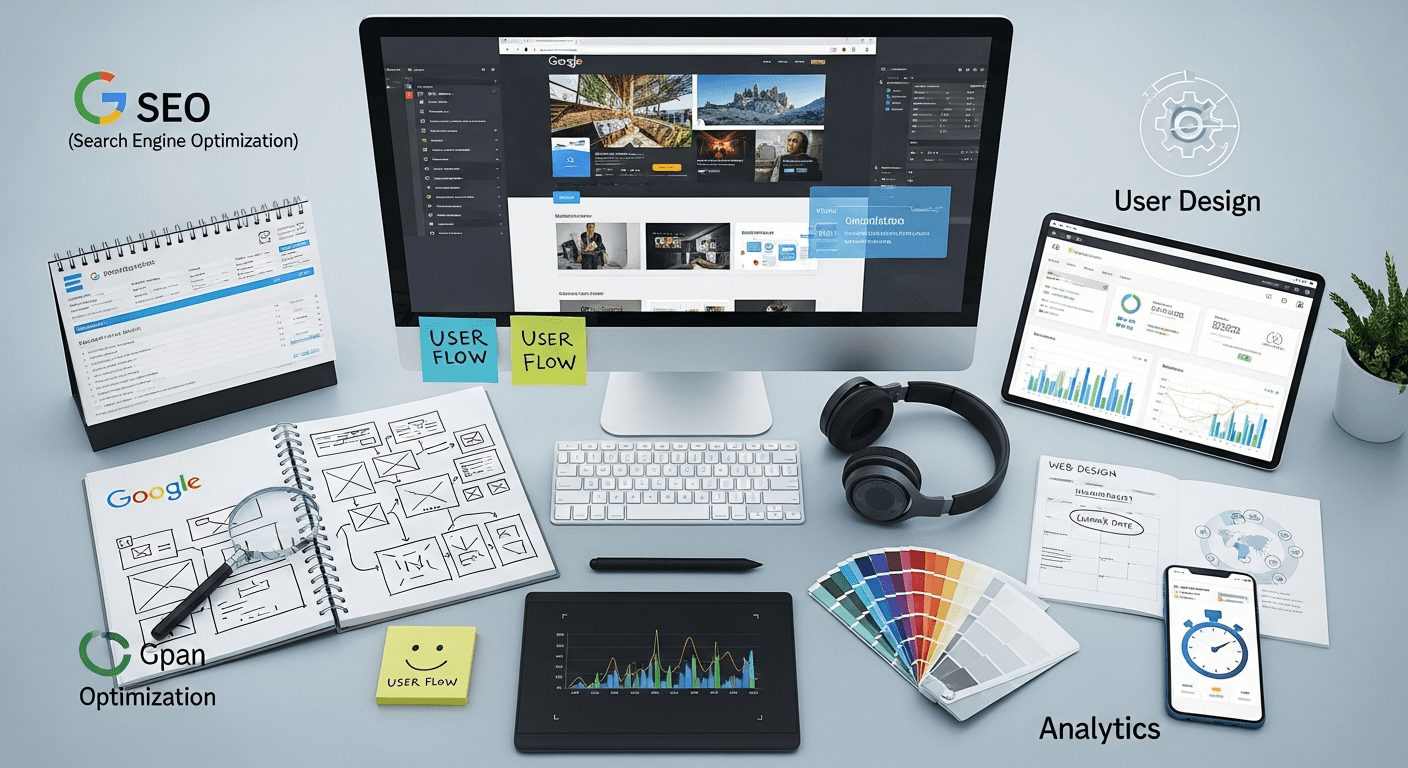
Understanding the Intersection of SEO and User Experience
In the evolving digital landscape of 2024, the synergy between Search Engine Optimization (SEO) and User Experience (UX) has become more critical than ever. As search engines like Google increasingly prioritize user satisfaction and engagement metrics, the line between SEO and UX continues to blur. Understanding this intersection is vital for businesses looking to enhance their online visibility, drive traffic, and increase user engagement.
SEO traditionally revolved around optimizing for keywords, building backlinks, and adhering to technical best practices. Meanwhile, UX focused on creating a website that was easy and enjoyable for users to navigate. However, as search engines have evolved, they now consider UX elements such as page speed, mobile responsiveness, and content accessibility as integral parts of their ranking algorithms. Consequently, SEO strategies are increasingly incorporating UX principles to enhance user satisfaction and boost search engine rankings.
The integration of AI and machine learning in search algorithms highlights the growing importance of UX in SEO. These technologies enable search engines to interpret user behavior more effectively, determining the relevance and quality of web pages based on real user interactions. This shift signifies that user-centric design is no longer optional but essential for maintaining competitive SEO performance. By aligning SEO efforts with UX principles, businesses can create a seamless experience that satisfies both user needs and search engine criteria.

Key UX Elements Influencing SEO Performance
Several UX elements play a crucial role in enhancing SEO performance. One of the primary factors is page speed. Fast-loading pages not only provide a better user experience but are also favored by search engines. Google’s Core Web Vitals emphasize three key metrics: loading (Largest Contentful Paint), interactivity (First Input Delay), and visual stability (Cumulative Layout Shift) to evaluate page experience. Ensuring that your website meets these standards is essential for optimizing both UX and SEO.
Mobile-friendliness is another critical UX component impacting SEO. With mobile searches surpassing desktop, ensuring your website is responsive and easy to navigate on smaller screens is indispensable. Mobile optimization not only improves user experience but also affects search rankings as Google continues to prioritize mobile-first indexing. Websites that offer seamless experiences across devices gain an advantage in search engine results.
- Page Speed: Ensure fast load times to reduce bounce rates and improve user satisfaction.
- Mobile Optimization: Design for smaller screens to enhance accessibility and cater to the growing number of mobile users.
- Intuitive Navigation: Simplify site structure to help users find information quickly and easily, reducing frustration and improving user experience.
Tip: Use tools like Google PageSpeed Insights and Lighthouse to analyze and improve your website's loading speed and performance metrics.

Implementing User-Centric Design for Better SEO Results
To enhance SEO through user-centric design, it’s important to focus on creating a seamless user journey. Start by understanding your audience's needs and preferences through user research, surveys, and usability testing. This knowledge will guide the design of an intuitive interface that meets user expectations and encourages engagement. A user-centric approach ensures that users can easily find the information they need, reducing frustration and bounce rates.
Content also plays a pivotal role in the user experience. Ensure that your content is not only optimized for keywords but also engaging, informative, and valuable to your audience. High-quality content that addresses user queries and provides in-depth information can improve dwell time and reduce bounce rates, signaling to search engines that your site is relevant and useful. Use multimedia elements such as images, videos, and infographics to enhance content engagement and user interaction.
- Conduct User Research: Gather insights to inform design decisions and create user personas that represent your target audience.
- Focus on Content Quality: Create valuable, keyword-optimized content that addresses user pain points and questions.
- Design for Accessibility: Ensure your site is usable for people with disabilities by following Web Content Accessibility Guidelines (WCAG).
Utilizing Analytics to Refine UX and Boost SEO
Analytics tools provide invaluable insights into user behavior and website performance, allowing you to refine your UX and improve SEO outcomes. Tools such as Google Analytics, heatmaps, and user session recordings can help identify areas of your website that may be causing user frustration or high bounce rates. By analyzing user paths, click patterns, and engagement metrics, you can uncover potential bottlenecks and design flaws that hinder user experience.
Monitoring metrics such as session duration, page views, conversion rates, and user demographics can inform adjustments to your UX design. For example, if you notice a high bounce rate on a particular page, consider revising the content or layout to better meet user expectations. By continuously analyzing data, you can make iterative improvements that enhance user satisfaction and search engine rankings. Implementing A/B testing is another effective way to test design changes and their impact on user engagement and SEO performance.
Note: Regularly review analytics data to stay ahead of user behavior trends and adapt your UX strategies accordingly. Investing in a comprehensive analytics strategy can yield significant long-term benefits for both user satisfaction and SEO.
Data-driven decisions are the key to optimizing both user experience and SEO. Leveraging analytics can transform how businesses engage with users and compete in search rankings.
Future Trends: Where UX and SEO are Heading in 2024
Looking ahead to 2024, the convergence of UX and SEO is poised to become even more pronounced. As AI and machine learning continue to evolve, search engines will increasingly consider user engagement metrics such as click-through rates, time on site, and user feedback in their ranking algorithms. This means that delivering a superior user experience will be directly linked to SEO success, as search engines strive to provide users with the most relevant and satisfying results.
Voice search and visual search are also set to reshape how users interact with content. Ensuring your website is optimized for these technologies will be crucial. For voice search, this means focusing on natural language processing and answering user queries in a conversational manner. For visual search, it involves optimizing images with descriptive alt text and structured data to improve visibility in search results. Additionally, as privacy concerns grow, balancing data-driven personalization with user consent will become a key challenge for UX and SEO professionals looking to leverage data responsibly.
In conclusion, the future of SEO lies in its integration with UX. Businesses that prioritize user-centric strategies in their SEO efforts will thrive in the competitive digital marketplace of 2024 and beyond. By staying attuned to technological advancements and evolving user expectations, companies can build websites that not only rank well in search engines but also deliver exceptional value to their users.