Social MediaApril 21, 2026
Leveraging Social Listening for Enhanced Brand Engagement in 2024
Discover how social listening can transform your brand's engagement strategies in 2024 by providing insights into customer preferences and trends.
Understanding Social Listening: The Basics
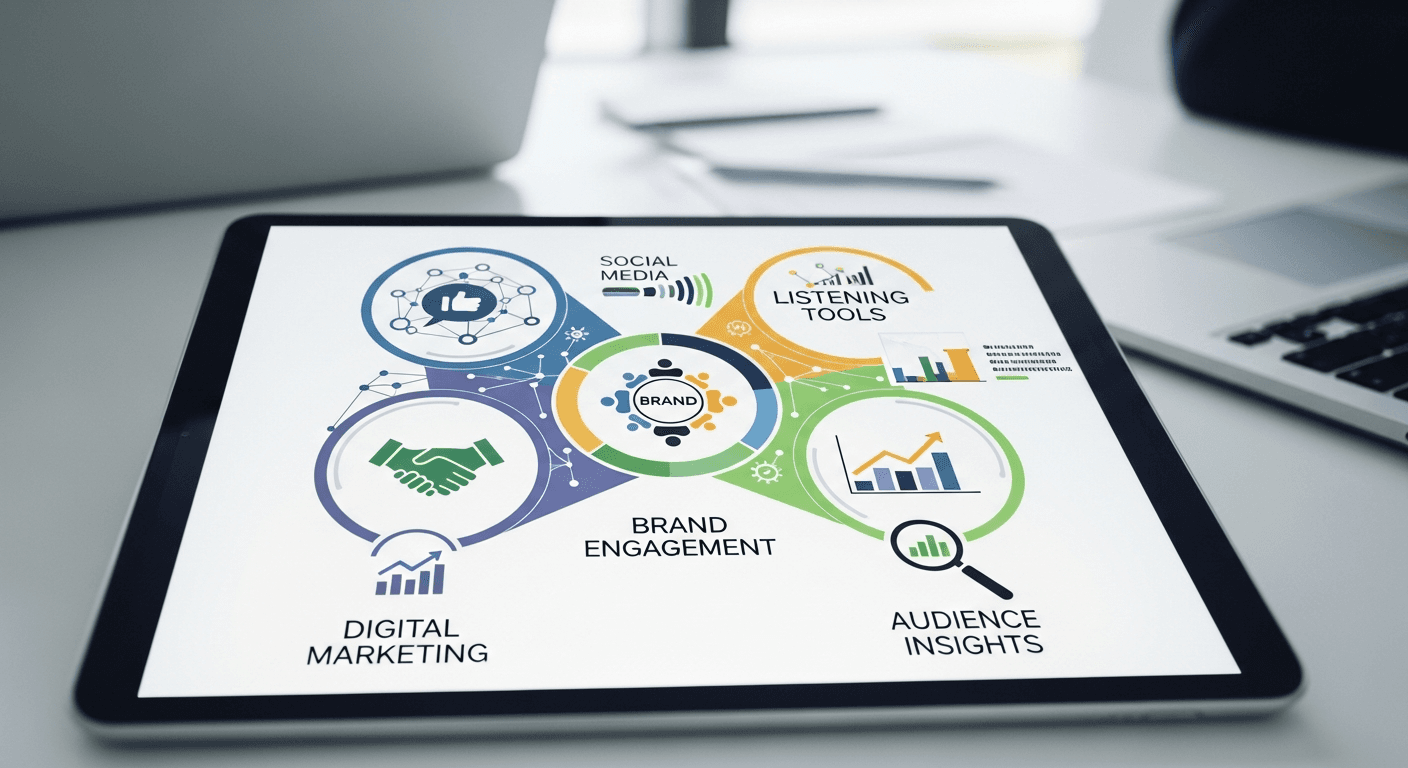
In the fast-evolving digital landscape, understanding consumer sentiment has become pivotal for brands. Social listening is the process of monitoring digital conversations to understand what customers are saying about a brand and its products. This real-time feedback mechanism allows businesses to gauge public perception and respond effectively. With the rise of social media platforms, social listening has become an indispensable tool for brands aiming to enhance engagement and loyalty.
At its core, social listening involves tracking mentions of a brand, competitors, product, or specific hashtags across social media channels and the internet. This data is then analyzed to derive insights into consumer behavior and preferences. Unlike social media monitoring, which focuses on metrics like engagement rates, social listening delves deeper into the sentiment and context behind each mention.
Businesses can leverage social listening to identify trends, manage crises, and improve customer service. By understanding what the audience is discussing, brands can tailor their strategies to better meet customer expectations and foster a positive relationship with their audience.

The Role of Social Listening in Audience Engagement
Engaging with an audience means more than just broadcasting messages. It's about creating meaningful interactions that resonate with your target market. Social listening empowers brands to engage more effectively by understanding the conversations happening around them and participating in a way that adds value.
One of the key benefits of social listening is its ability to personalize interactions. By analyzing the needs and preferences expressed by users, brands can tailor their communication to address specific concerns or interests. This personalization fosters a deeper connection with consumers, making them feel valued and understood.
Furthermore, social listening can help identify brand advocates and influencers who are already engaging with your content. By recognizing these individuals, businesses can nurture relationships that amplify their message and expand their reach organically.
Implementing Effective Social Listening Strategies
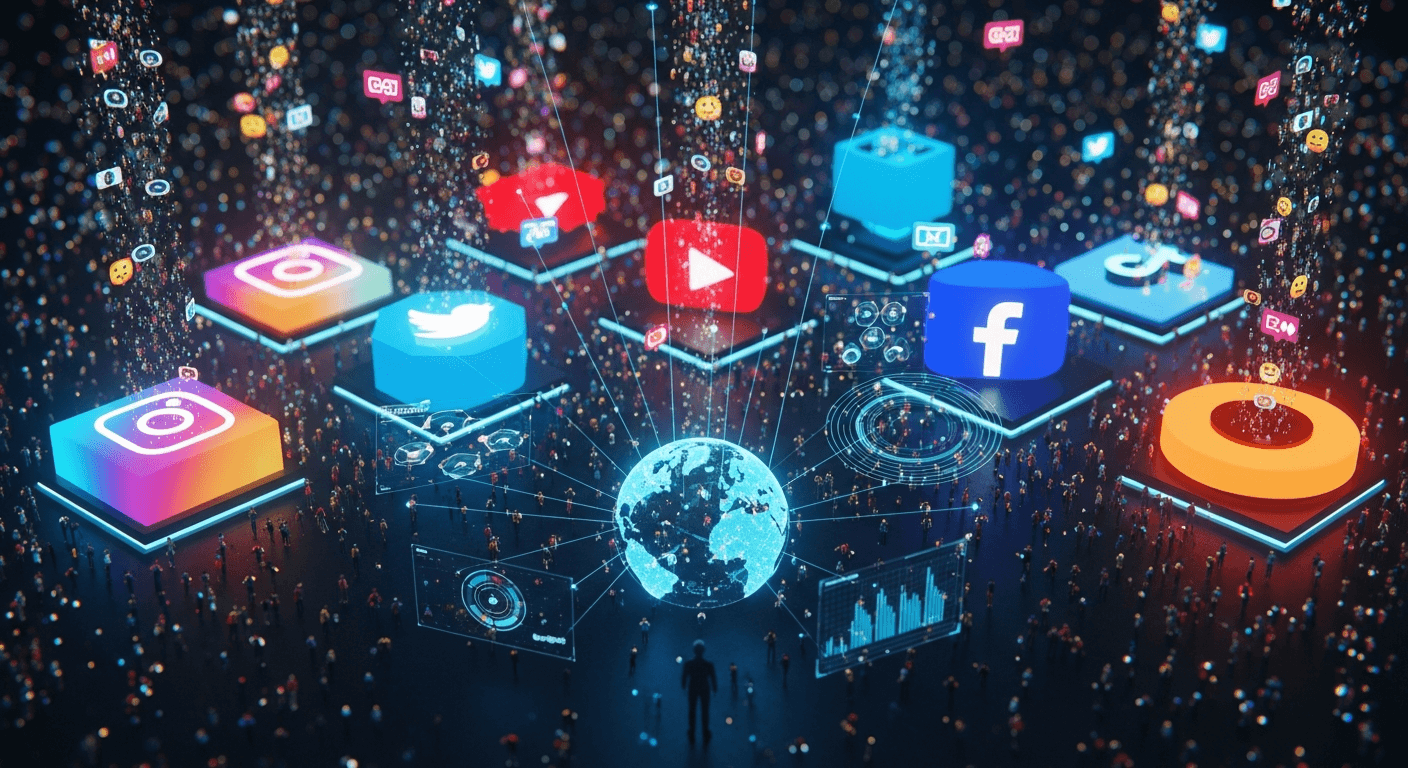
To fully capitalize on social listening, brands must implement strategies that are both comprehensive and adaptive. The first step in crafting an effective strategy is defining clear objectives. Are you looking to improve customer service, manage brand reputation, or drive product innovation? Having a clear goal will guide your listening efforts.
- Identify relevant platforms where your audience is active.
- Use targeted keywords and hashtags for monitoring.
- Segment conversations by topic or sentiment for focused insights.
Once objectives are set, select the right tools to capture and analyze data effectively. It's crucial to maintain a balance between automated data collection and human analysis to ensure contextual accuracy in insights. Regularly reviewing and adjusting your strategy based on findings will help you stay aligned with audience expectations and industry trends.
Tip: Engage your team in social listening efforts to gain diverse perspectives and insights.
Tools and Technologies for Social Listening in 2024
As technology advances, so do the tools available for social listening. In 2024, brands have access to a variety of sophisticated platforms that offer real-time monitoring, sentiment analysis, and competitive benchmarking. These tools can provide actionable insights that are crucial for strategic decision-making.
- Brandwatch: Offers in-depth insights with AI-driven analytics.
- Hootsuite Insights: Integrates social listening with scheduling and analytics.
- Sprout Social: Provides user-friendly interfaces and robust reporting.
Choosing the right tool depends on your specific needs, such as the scale of monitoring, geographical focus, and preferred features. Many platforms offer customizable dashboards, allowing teams to focus on the metrics that matter most to them. Additionally, integration with existing CRM systems can enhance the value derived from social listening.
Note: Regularly evaluate your social listening tools to ensure they keep pace with technological advancements and your evolving needs.
Case Studies: Brands Excelling with Social Listening
Several brands have distinguished themselves by effectively implementing social listening strategies. By tapping into consumer conversations, these companies have enhanced their engagement and improved their products and services.
For example, Netflix uses social listening to identify viewer preferences and trends, enabling them to tailor content recommendations and new releases effectively. This approach has significantly contributed to their subscriber growth and customer satisfaction.
Listening to your customers isn't just about hearing their voices; it's about understanding their needs.
Similarly, Starbucks has leveraged social listening to enhance its product offerings. By monitoring customer feedback and sentiment, the company has been able to introduce innovative products that align with consumer tastes and preferences.